
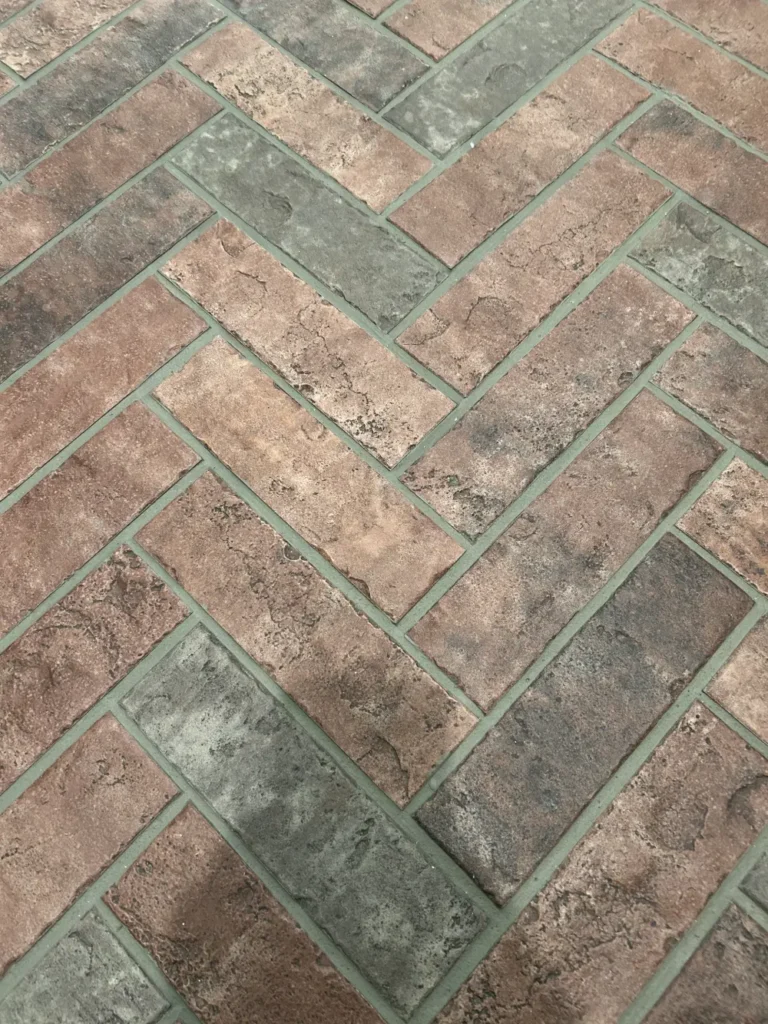
For most traditional cement-based grout, sealing after a thorough cleaning is a smart way to help resist future staining and make routine maintenance easier. But not every grout needs a sealer, and the right product depends on the grout’s condition. Grout that is clean and uniform may benefit from a clear penetrating sealer. Older grout with persistent, uneven discoloration may be a better candidate for color sealing, provided the grout is sound and the product is compatible.
That distinction is central to how Jeff Brown, owner of The Grout Medic of The Woodlands and Kingwood, explains the process: new grout with an even color can often be protected with a clear seal, while aged grout that no longer looks consistent may need an approach that addresses both appearance and protection.
Why cleaning alone may not be enough
Cleaning and sealing solve different problems. Cleaning removes surface soil, soap residue and buildup that are already present. Sealing is a protective step intended to reduce how readily new stains penetrate suitable grout. Cleaning can make grout look better today; sealing helps make it easier to care for afterward.
Many standard cement-based grouts are porous. Once their pores absorb oils, colored liquids or tracked-in dirt, the resulting discoloration may be difficult to remove with ordinary cleaners. A quality, compatible sealer can help resist future staining, but it cannot repair cracks, cure moisture problems or make grout maintenance-free.
Clear grout sealer versus color sealer: what is the difference?
A clear penetrating sealer is usually chosen when the existing grout color is attractive and consistent. It penetrates suitable cement-based grout and helps repel staining without intentionally changing the grout color. Newly installed grout or thoroughly cleaned grout with a uniform appearance may be a good fit. New grout must first cure according to the grout and sealer manufacturers’ instructions.
Color sealing has a different purpose. It applies a grout-specific colorant to suitable existing grout to create a more uniform appearance while also providing a protective finish. This is particularly useful when older grout remains blotchy after appropriate cleaning, or when a homeowner wants to refresh the color without replacing otherwise sound grout.
A color sealer is not simply a stronger cleaner. It is a finishing treatment, and its results depend on thorough preparation, adequate adhesion and compatibility with any prior sealer. Some older grout can be cleaned back to an acceptable appearance without color sealing, so the choice should follow an evaluation rather than an automatic recommendation.
Does newly installed grout need sealing?
Often, yes, if it is a cement-based grout and its manufacturer calls for sealing. New grout that has cured properly and has an even color is a logical candidate for a clear sealer, which preserves the finished appearance while adding stain resistance. However, some epoxy and other specialty grouts are designed to resist staining without a separate sealer. The product type matters more than a blanket “seal every grout line” rule.
Do not seal fresh grout immediately just because the tile work looks dry. Curing and moisture requirements vary by grout and sealer product. Applying a sealer too early can compromise the result.
When older grout needs more than cleaning
Aged grout can show uneven color for several reasons: accumulated soil, spills, old cleaning products, existing coatings, wear or moisture conditions. A good cleaning is the starting point, but the next step depends on what remains afterward.
If the grout is solid and the color is acceptable, clear sealing may be enough. If it is structurally sound but still noticeably blotchy or stained, color sealing may help create a consistent finish. If grout is crumbling, missing or cracking repeatedly, the damaged areas need attention before any finish is applied. Sealing over deterioration does not restore the joint.
Existing sealers also matter. They may interfere with the adhesion of a new colorant. A professional should evaluate and, where appropriate, test a small area before choosing the treatment.
What about grout in showers and bathrooms?
Shower grout faces repeated moisture, soap residue and personal-care products. A compatible sealer can make cement-based grout easier to maintain, but it is not a substitute for the waterproofing system beneath the tile. If a shower shows recurring dampness, loose tile, failing caulk or suspected water damage, investigate the underlying condition rather than relying on sealer as a fix.
Grout is not the same as the flexible sealant used at many changes of plane, such as wall-to-wall corners. Those joints may require recaulking rather than grout sealing. Correctly identifying the material and the source of deterioration is part of getting a durable result.
How should homeowners decide what their grout needs?
Start by looking at condition, not just color. Is the grout intact or breaking apart? Does the discoloration remain after cleaning? Is it consistent across the surface or concentrated near a water source? Has the grout been sealed or recolored before? And is the area made with cement-based grout, epoxy grout or another product?
These questions help separate a cleaning-and-clear-sealing job from a color-sealing or repair job. They can also prevent unnecessary replacement when the tile and grout are otherwise sound.
A local perspective from Jeff Brown
For homeowners in The Woodlands and Kingwood, the most useful question is not simply, “Can this grout be sealed?” It is, “What does this grout need after it has been cleaned?” Jeff Brown’s approach draws a practical line between protecting grout that already looks consistent and improving the appearance of aged grout that has absorbed years of soil and staining.
The Grout Medic of The Woodlands and Kingwood can evaluate the grout’s condition and recommend an appropriate next step, whether that is cleaning, clear sealing, color sealing or repair.
Request a free in-home estimate
If your tile and grout are clean but you are unsure how to protect them, or if older grout still looks uneven after scrubbing, request a free in-home estimate from The Grout Medic of The Woodlands and Kingwood. An on-site assessment can help determine what is practical for your surface.
Frequently asked questions
Should grout always be sealed after cleaning?
Not always. Sealing is generally helpful for many cement-based grouts, but some specialty grouts, including certain epoxy grouts, do not need a separate sealer. Check the grout type and manufacturer guidance first.
What is the difference between clear grout sealer and color sealer?
Clear sealer is primarily for stain resistance while retaining the existing color. Color sealer provides a more consistent chosen color and a protective finish on compatible, adequately prepared grout.
Can color sealing fix old, stained grout?
It can improve the appearance of many sound grout joints that remain uneven after cleaning. It cannot repair missing, cracked or crumbling grout, and existing coatings or contamination can affect adhesion.
How long after cleaning should grout be sealed?
The grout must be clean and sufficiently dry, and any newly installed grout must meet the grout and sealer manufacturers’ curing requirements. The correct interval depends on the products and site conditions.
Does sealing grout make a shower waterproof?
No. Grout sealers help resist staining and, for suitable products, moisture absorption at the surface. They do not replace a properly constructed shower waterproofing system or fix leaks.
Will sealed grout ever need cleaning again?
Yes. Sealer reduces staining but does not stop dirt, soap residue and surface buildup. Gentle, material-appropriate cleaning and periodic evaluation remain necessary.